

 PL
PLevents, marketing, pr
Social Communication: What It Is, When It Is Needed, and How to Conduct It Effectively

Apr
Social communication is the foundation of every project implemented in the public sphere. In an era of dynamic information flow, social media, and globalization, effective communication not only builds interpersonal relationships but also supports the development of business, education, and public institutions. It enables rapid response to change, counteracts misinformation, and engages communities in important initiatives. Properly planned social communication expands the reach of the message, enhances the organization’s image, and strengthens audience trust, making it a key element of marketing and social strategy in the 21st century.
At Wide Vision, we understand what it’s like to work in an environment which requires social dialogue. If you’d like to learn more, we invite you to read on.
The Most Important Concepts Related to Social Communication
Social communication is a planned process of conveying information and conducting dialogue between an institution, company, or investor and the public, residents, or a specific stakeholder group. It includes:
- informing about activities or investments
- educating
- conducting dialogue
- public consultations
- image-building activities
- responding to concerns and conflicts
Social communication is essential whenever there’s a need to convey information to a broader audience and trigger a specific social response. It plays a key role in crisis situations, such as health threats, disasters, or legal changes, where rapid and clear communication can have a real impact on public safety. It’s also essential in educational activities, social campaigns, and in building awareness and civic attitudes. Furthermore, social communication supports the functioning of organizations, public institutions, and companies, enabling effective informing, engagement, and maintaining relationships with audiences.
Communication strategy is a communicative action plan that defines goals, audiences, messages, communication channels, timelines, and crisis response. It is a fundamental element of social communication. A lack of a strategy is one of the most common causes of problems in social projects.
Stakeholders are all individuals or groups associated with or potentially affected by a project, such as residents, local governments, social organizations, investors, the media, or public institutions. Effective communication requires identifying stakeholders from the very beginning of the project.
Social Campaign: Planned Communication Activities
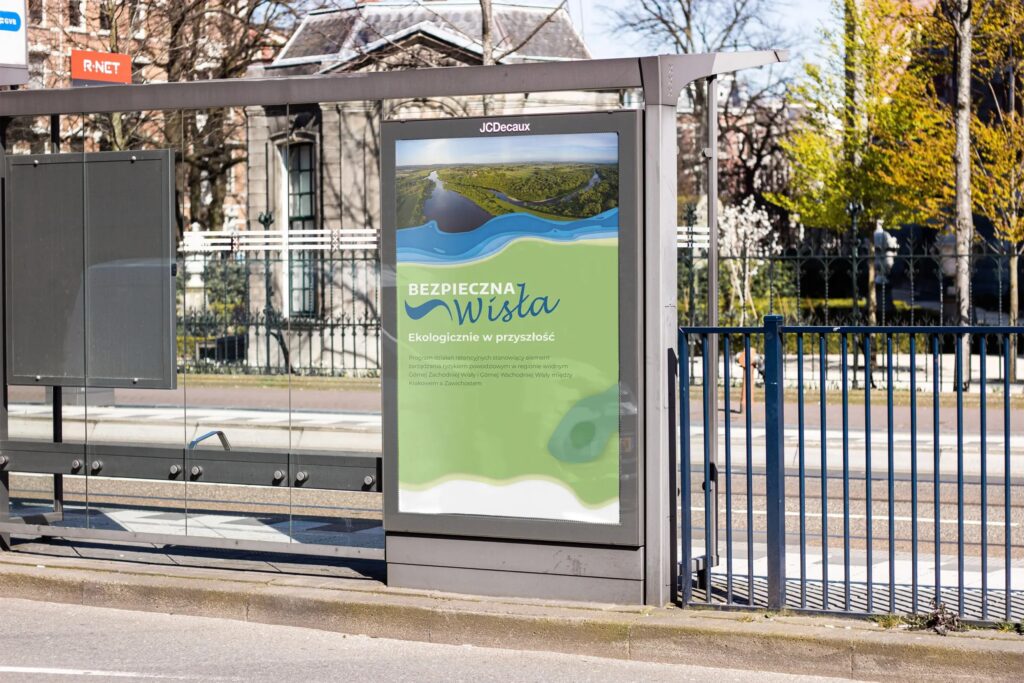
Social campaigns are a planned set of activities in the media and public spaces, lasting a specific period of time, targeted at a selected audience. They are an important element of social communication and have many specific goals, such as changing attitudes, increasing awareness, conveying important information, and educating the public. They can address a variety of topics, such as:
- environmental protection
- security
- health
- public investments
- infrastructure projects
- educational activities
Social campaigns, like all communication, require a strategy, a coherent message, and selected communication channels.
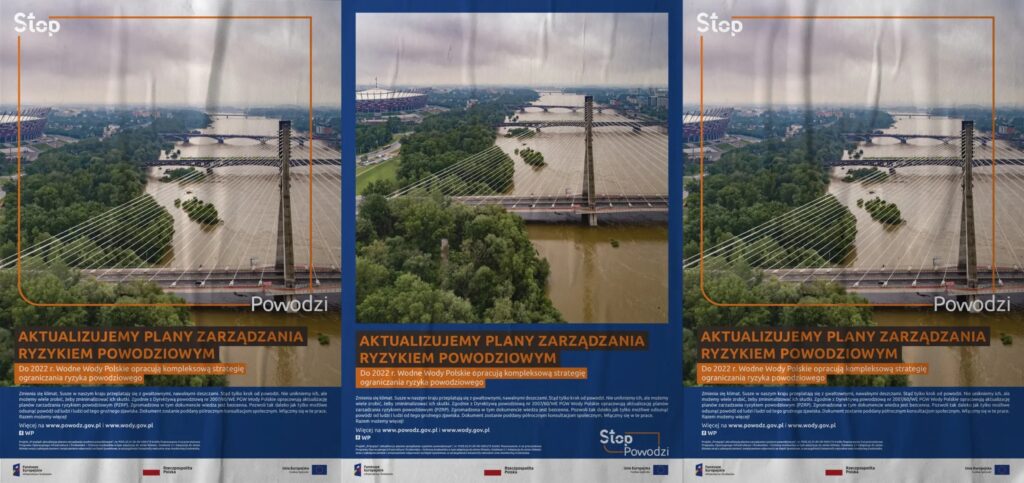
Information Campaign: Building Social Awareness
Information campaign is a coordinated set of communication and educational activities aimed at raising awareness, publicizing an issue, or presenting a product or service. Common topics of information campaigns include:
- new investments
- changes in traffic organization
- newly prevailing rules
- projects financed from public and EU funds
It’s important to remember that an information campaign and advertising are not the same thing. The goal of advertising is to sell a product, while a campaign is to provide accurate information to the public about important topics and build public awareness of a given issue.
Social campaigns and information campaigns differ primarily in their purpose and the scope of their impact on audiences. Social campaigns focus on changing attitudes, behaviors, or social awareness in a specific area, such as health, ecology, or safety. Their goal is not only to convey information but, above all, to evoke emotions and persuade recipients to act or change their habits. Information campaigns, on the other hand, are more neutral and educational in nature – their primary goal is to provide reliable, understandable information on a given topic, without directly pushing for behavioral change. In practice, this means that a social campaign engages and persuades, while an information campaign primarily explains and raises awareness.
 ” class=”wp-image-14380″>
Public Consultations and Dialogue with Stakeholders as a Way to Build Trust
Public consultations are the process of gathering the opinions of residents or stakeholders on planned activities. They may be required by law, but their primary role is to increase project acceptance by introducing compromises. Public consultations are crucial for investment projects and require professional preparation. Consultations are not just a meeting, but an entire communication process.
Social dialogue is a process of information exchange, consultation, and negotiation between social partners (local government, trade unions, employers) and the government, aimed at reaching compromise on economic and social matters. It is a two-way communication, not just information sharing. It should include opportunities to ask questions, gather opinions, respond to concerns, and explain decisions.
Public consultations and stakeholder dialogue are key communication tools that enable the involvement of citizens and various interest groups in the decision-making process. Public consultations are typically formalized and involve collecting opinions, comments, and recommendations from residents or specific groups regarding planned activities, such as investments or legal changes. Their goal is to increase transparency and better align decisions with real social needs. Stakeholder dialogue, on the other hand, is a more continuous and collaborative process, based on building relationships, exchanging arguments, and seeking shared solutions. It involves various groups, such as non-governmental organizations, businesses, and public institutions. In practice, effective public communication combines both approaches, strengthening trust, minimizing conflict, and increasing the effectiveness of undertaken actions.
The Most Common Mistakes in Social Communication
The most common errors in social communication stem primarily from a lack of understanding of what social communication is and how the social communication process works in practice. One key problem is the mismatch between the content and form of the message and the recipient and target groups, which disrupts the information exchange process and limits the effectiveness of actions. Modern communication requires consideration of various levels of social communication, including interpersonal and mass communication. Therefore, ignoring the specificity of channels such as media or digital communication leads to information chaos. Disinformation also reduces the credibility of the sender and negatively impacts the audience’s opinion.
Another mistake is the lack of a coherent communication strategy, which causes messages to fail to achieve their intended goals. Social communication is a process that requires planning, analysis, and adaptation to the social context and target groups. Improperly conducted activities such as social campaigns, information campaigns, or public consultations can lead to a lack of audience engagement. An equally significant mistake is neglecting to build relationships with individuals and groups, which limits effective interaction and hinders the development of trust.
Ineffective communication also stems from interpersonal errors, where communication (both verbal and nonverbal – facial expressions and eye contact) fails to support the process of reaching an understanding. Lack of negotiation skills, inappropriate use of new technologies, or ignoring the role of media all contribute to the communication process losing its effectiveness. As a result, communication fails to build interpersonal relationships, despite its primary purpose being to effectively convey information between participants within a specific social context.
 ” class=”wp-image-15399″>
What Does an Effective Communication Process Look Like?
Effective communication is a structured and consciously planned process based on a clear operational model and tailoring the message to the recipient and social context. Communication is a dynamic process in which the sender and recipient, as well as a properly constructed message, play a key role. In practice, social communication is the process of transferring information between participants with the aim of eliciting specific behaviors. Therefore, it is crucial to consider the needs, expectations, and level of knowledge of the target group.
The first step is to analyze the situation and define the communication objective. At this level, the organization should define what it wants to achieve and what attitudes it wants to shape. Next, appropriate channels and tools are selected, such as mass communication, digital communication, or interpersonal communication, depending on whether the message is directed to a broad audience or occurs face-to-face between two individuals or groups. It is crucial that information is conveyed consistently and adapted to the various levels of social communication.
The next element is the implementation of activities, i.e., the transfer of information between the sender and the recipient using appropriate media and social communication. At this stage, the form of communication is particularly important – both the verbal and nonverbal aspects of communication, which influence the reception and interpretation of content. Effective communication also incorporates interaction and the possibility for recipients to express their opinions, allowing for better tailoring messages to the real needs of society.
The final stage is evaluation, which assesses the effectiveness of activities and analyzes whether the communication process has met its intended goals. In this context, it’s crucial to critically evaluate results, identify errors, and optimize future communication strategies. Modern communication, supported by new technologies and solutions such as artificial intelligence, allows for increasingly precise monitoring of results and real-time message adjustments. This makes social communication more precise, engaging, and effective.


The Importance of Communication Strategy
In today’s world, a communication strategy is fundamental, as communication is a basic element of information and relationship management. A well-planned strategy organizes the communication process, defining goals, audiences, and the means of conveying information between participants. This ensures that social communication becomes coherent, effective, and tailored to various groups and channels, which is crucial for effectively influencing public opinion.
A communication strategy helps avoid information chaos and minimizes the risk of errors such as inconsistent messaging, disinformation, or content that doesn’t fit the recipient. In practice, communication is a process that requires planning and analysis, so an appropriate strategy takes into account both mass and interpersonal communication, as well as the specifics of digital channels. It’s also crucial to define the roles of the sender and recipient and ensure effective information exchange, which builds interpersonal relationships and supports the communication process.
In the context of activities such as educational campaigns, a communication strategy enables precise targeting of specific social groups and effective dissemination of information and knowledge. It also takes into account stakeholders and various levels of social communication, which is essential in the process of building lasting relationships between individuals and groups in society. As a result, a well-developed strategy not only increases the effectiveness of activities and the level of public knowledge but also strengthens the organization’s credibility.
Benefits for Investors and Institutions
The benefits of well-planned communication are multifaceted and directly impact the effectiveness of operations and the public perception of the project and institution. Above all, effective social communication builds trust among recipients and stakeholders, which is crucial for project implementation. Properly managing the message and communication process can reduce the risk of conflict and counteract phenomena such as the spread of false information.
A significant benefit for investors and institutions is also the better alignment of activities with the needs of various social groups. Through public consultations and social dialogue, investors can more effectively communicate their goals and incorporate audience feedback into the decision-making process. Such communication builds relationships and strengthens engagement, which translates into greater project acceptance and a more efficient implementation process. In practice, investment communication involves the transfer of information between the organization and its surroundings, increasing transparency and enhancing the institution’s image.
A well-developed communications strategy also enables effective use of various communication channels, allowing for reaching a wide audience at various levels of social communication. Modern communication, supported by new technologies and media, increases message reach and enables rapid response to changes in the environment. This allows the organization to efficiently convey information, respond to crisis situations, and shape public opinion in an informed and responsible manner.
As a result, communication not only supports the achievement of the investor’s goals, but also strengthens their position in the social context, improves credibility, and facilitates long-term functioning in a complex environment where the process of social communication plays a key role.
Wide Vision Communications Agency has extensive experience in social communication. We implement information campaigns and consultations, work on public and investment projects, provide comprehensive communication, and manage social dialogue. If you’re interested in high-quality services that deliver results, work with us today!
Check out our LinkedIn and Instagram to see more projects and behind-the-scenes look at our brand work.
