

 PL
PLcase study, events, pr
School Event – Case Study – Education and Engagement
Apr
Challenge: Arousing Children’s Interest during an Educational Event at School
A key challenge of the project was effectively communicating complex issues related to water management, such as drought, retention, and climate change, to a young audience (4th-5th grade students). Given the children’s age, we had to prepare an educational event at school that would not only engage them but also encourage them to draw the right conclusions. When planning the lesson plan, we focused on using simplified language while maintaining the substance.
A crucial part of our task was to engage the children in a topic that may not be familiar to them – before we arrived at school, we didn’t know the students’ level of knowledge regarding drought and water retention. Additionally, we had to translate theoretical knowledge into practical actions (e.g., water conservation). We used the school’s existing infrastructure (rain garden, rainwater tank) as an example of water retention in practice. The school had previously won a competition to design a rain garden, which created a natural space for educational and communication activities. Active participation was crucial – we didn’t want the message to be one-sided, but rather for the children to share their ideas and feel valued for their good ideas.
Our approach: Education through Dialogue
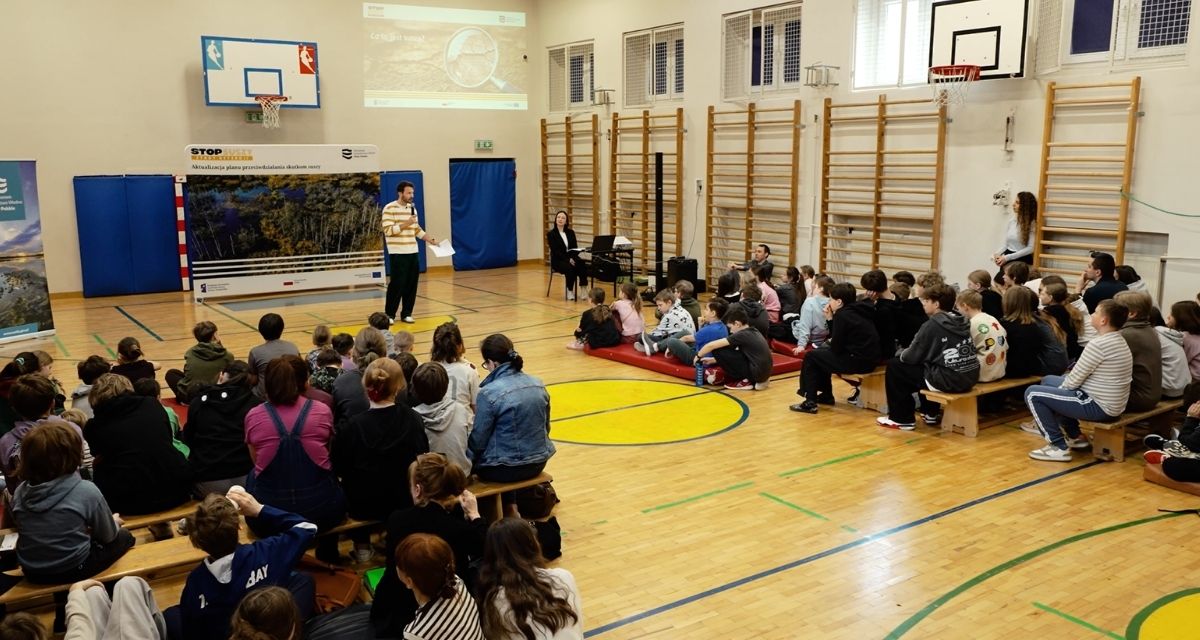
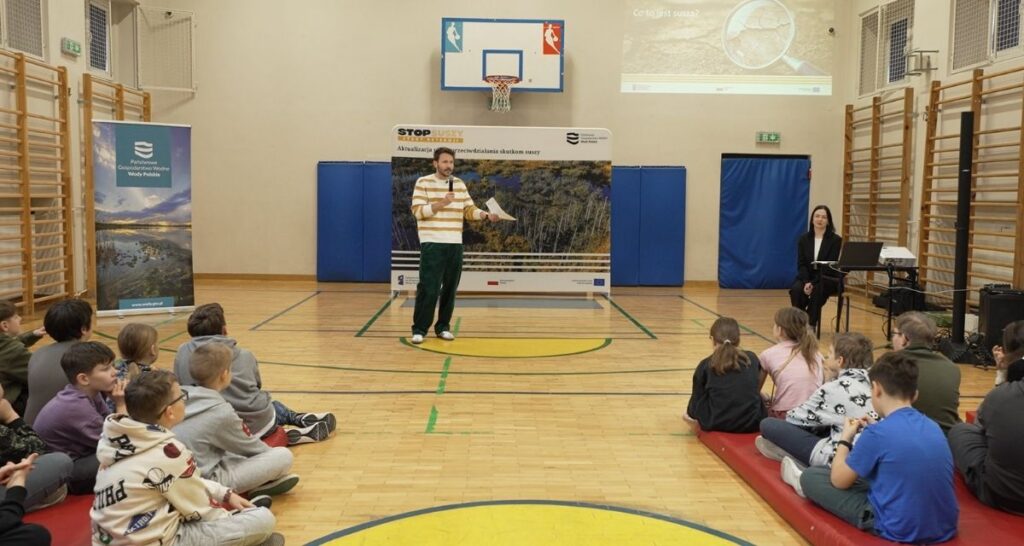
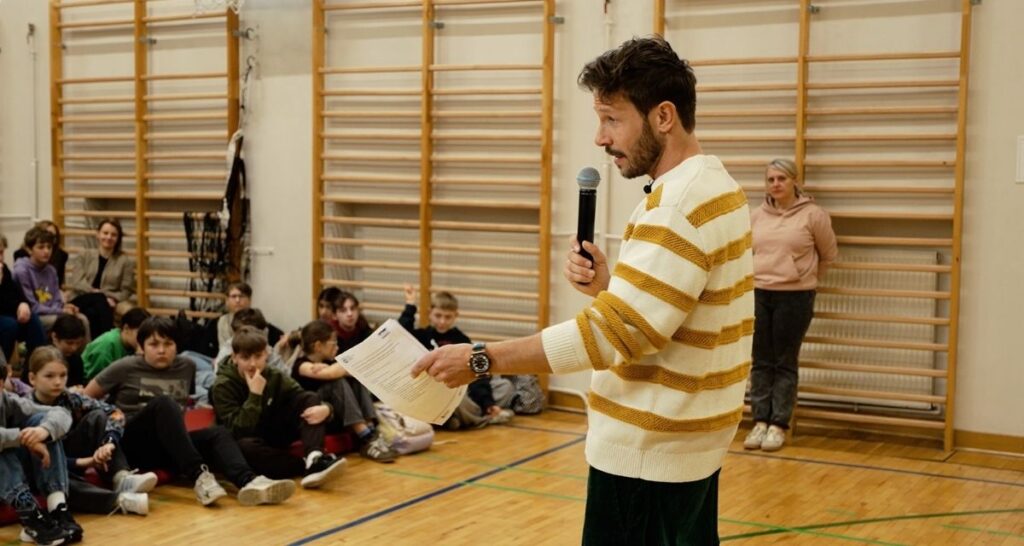
We designed an interactive format for a school educational event as part of the “Stop Drought! Start Retention!” project, combining expert knowledge with an engaging delivery method. Instead of a lecture, we focused on guided conversations, with students actively answering questions about drought, water conservation practices, and observed environmental changes.
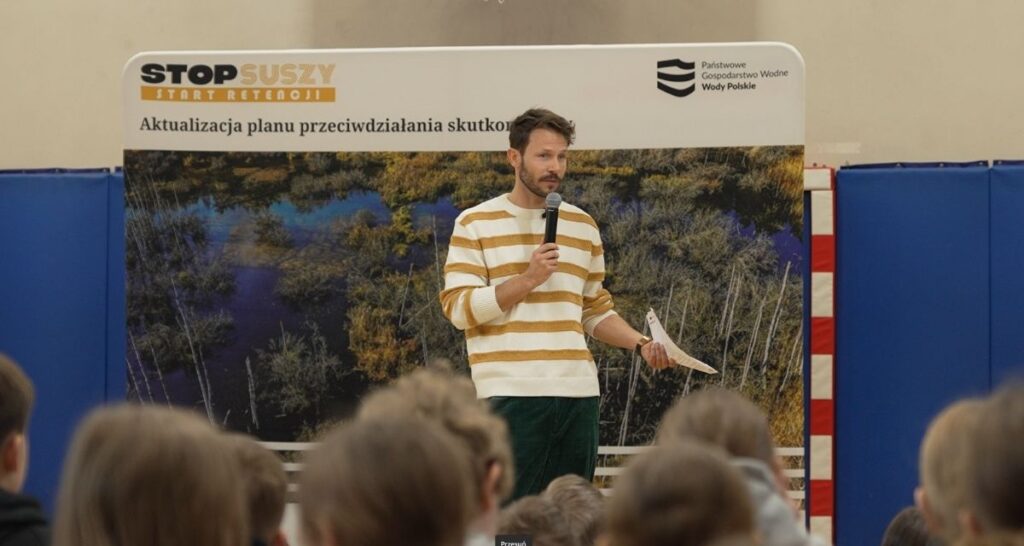
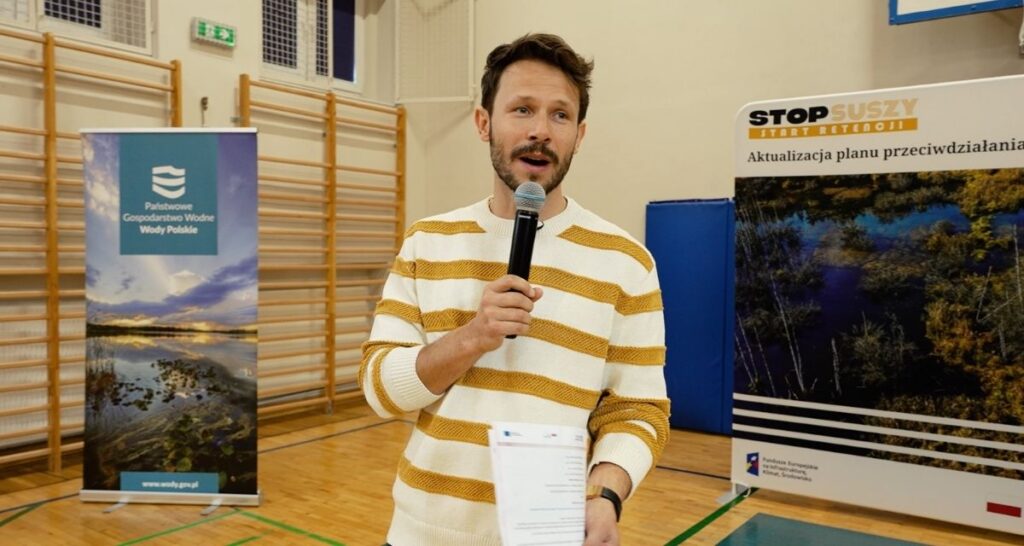
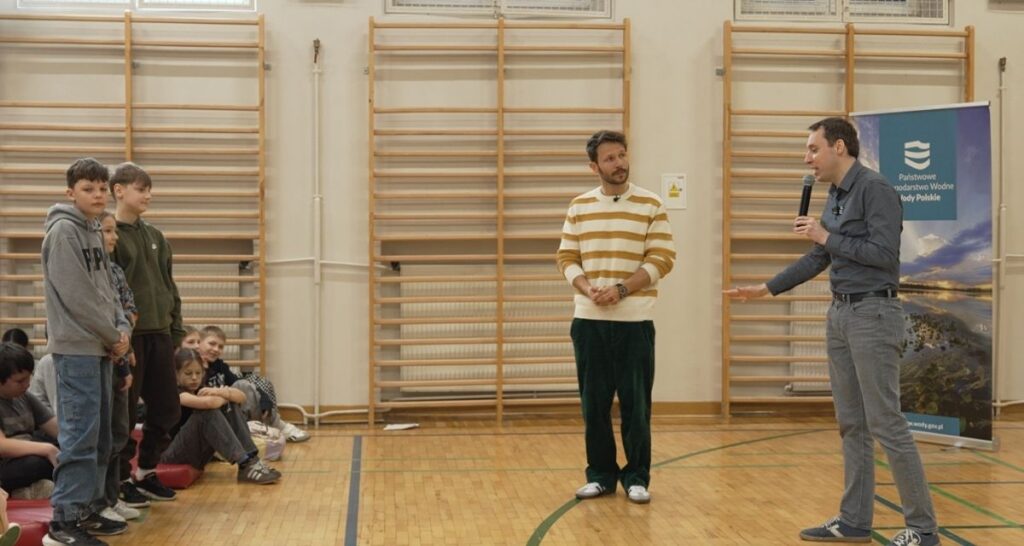
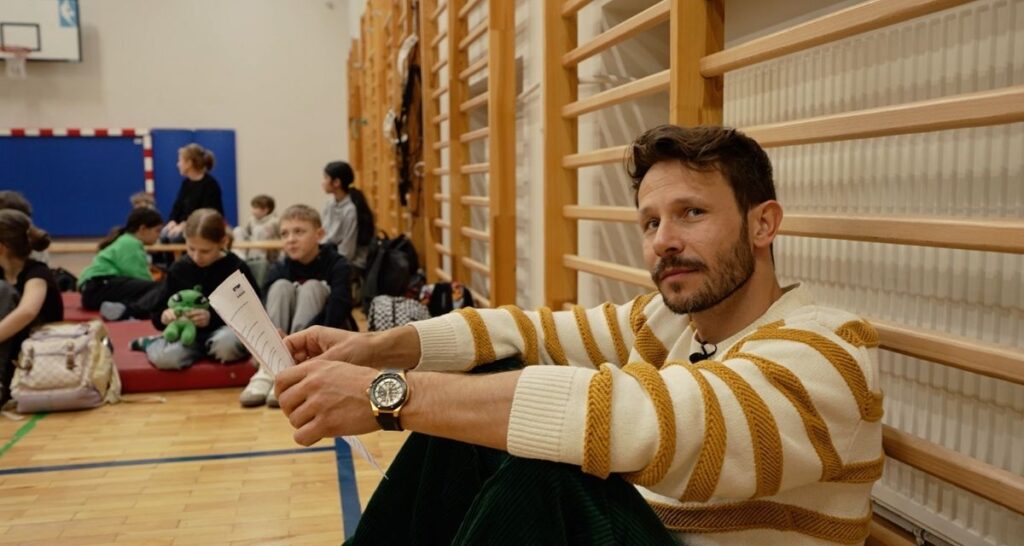
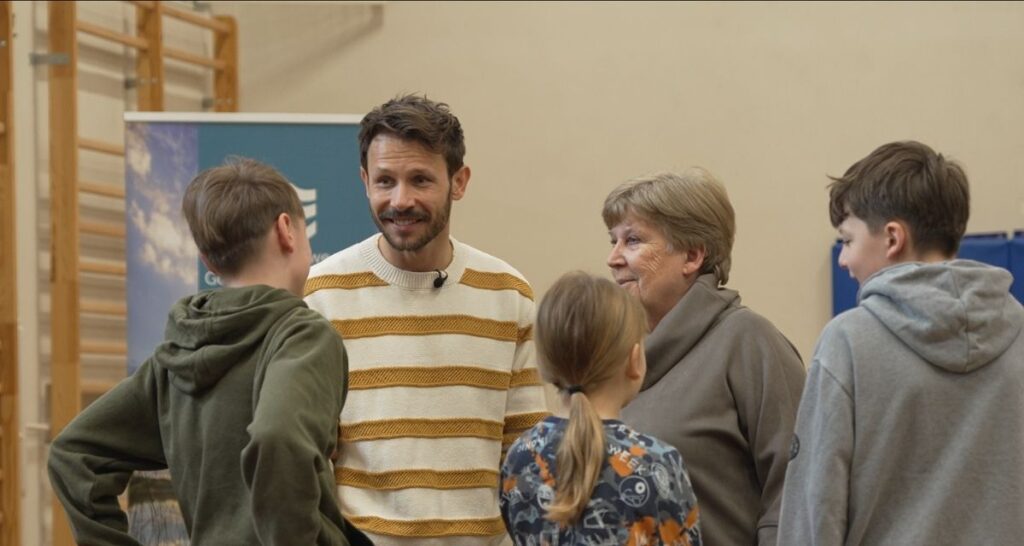
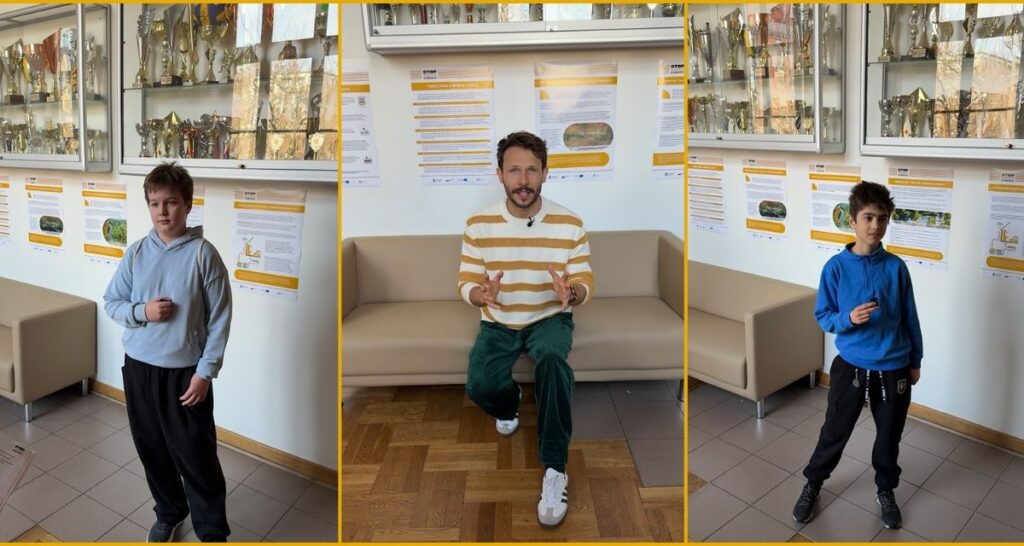
Another element that made the meeting more engaging and attention-grabbing was the presence of the project’s ambassador, Mateusz Banasiuk. Many students undoubtedly recognized him from television, which made them more interested and more willing to interact. The ambassador’s presence helped translate the knowledge into a more accessible, inspiring message.
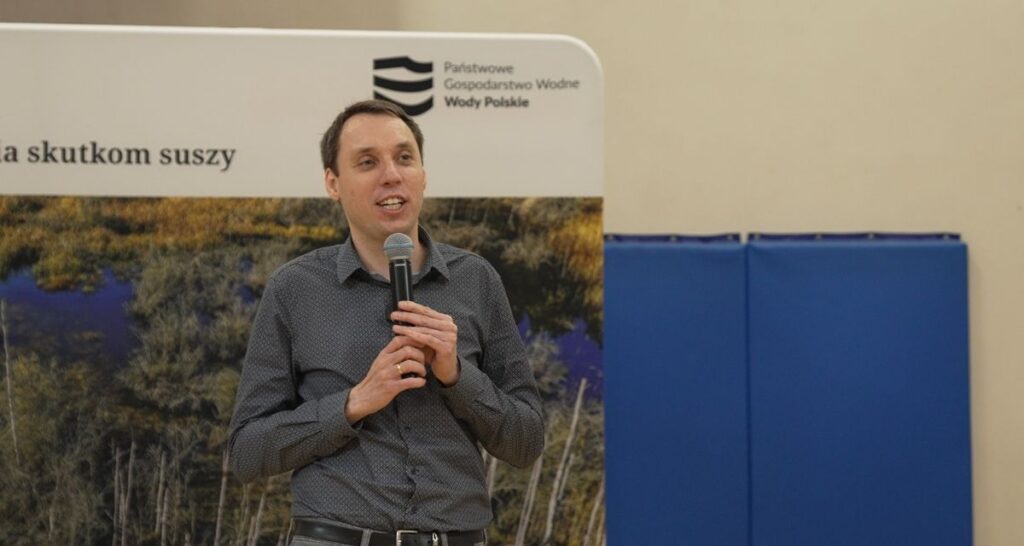
In addition to the Ambassador, Rafał Jakimiak, a representative of Polish Waters, was also present. The expert’s presence was crucial in introducing institutional and substantive knowledge, such as water management, drought mitigation, and the importance of retention.
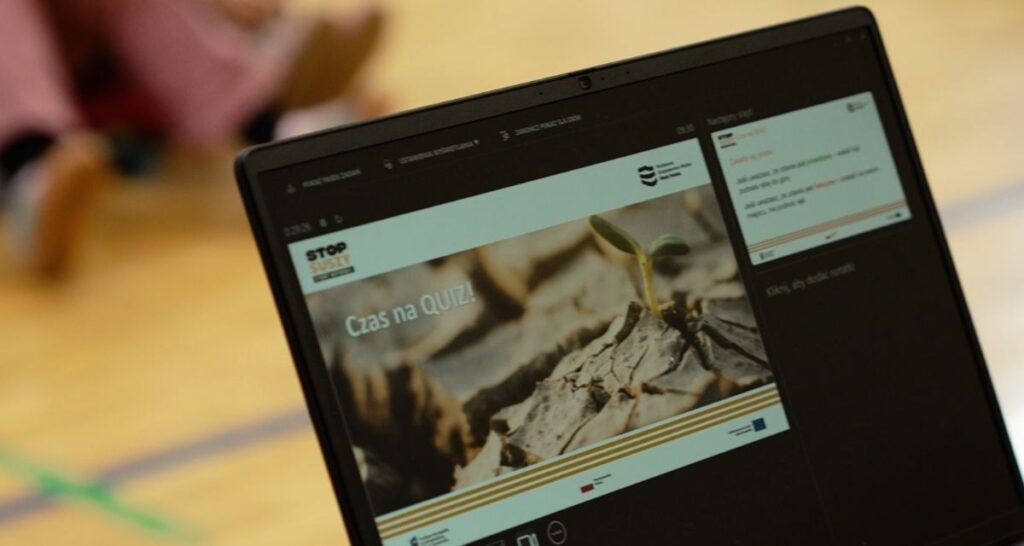
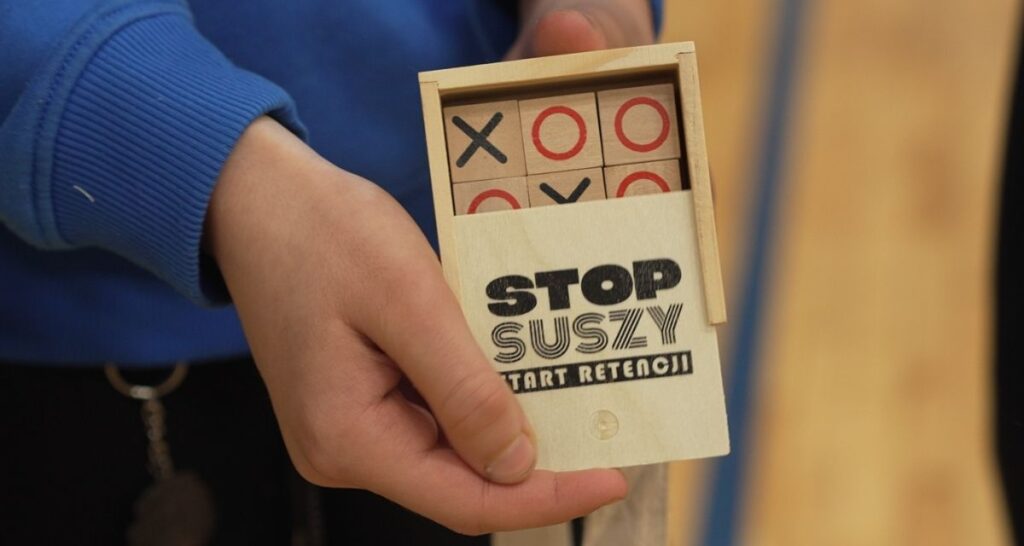
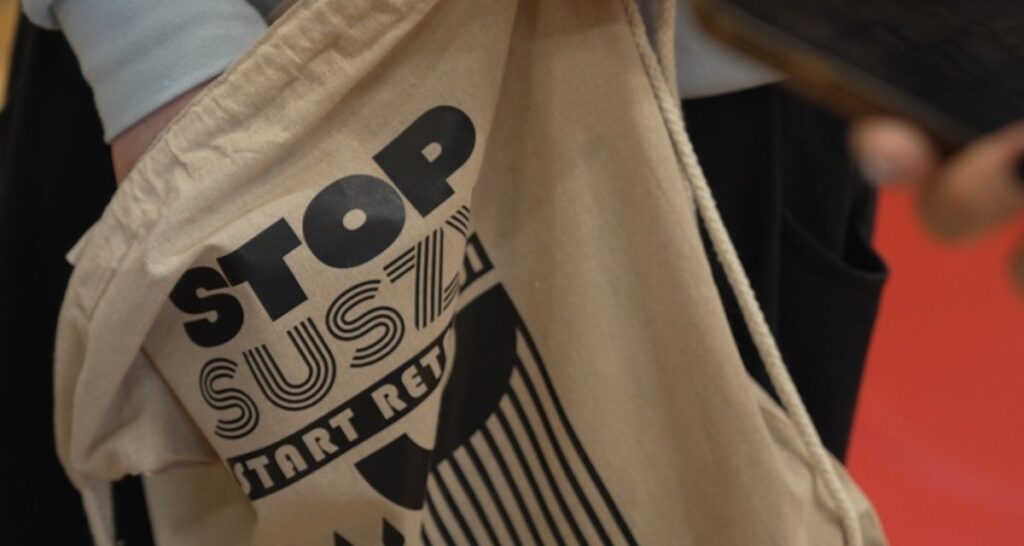
We reached out to young people through interactive tools, such as yes/no quizzes, open-ended questions, and gamification elements, which increased engagement and consolidation of knowledge. We focused on teaching through examples and real-world solutions, such as a rain garden on school grounds, a rainwater tank, and children’s everyday experiences (e.g., lack of snow, low water levels in rivers). After the event, students received gift sets and educational brochures, which allowed for the message to be reinforced beyond the event.
Effects of Cooperation: the “Stop Drought!” Project Gained Greater Publicity
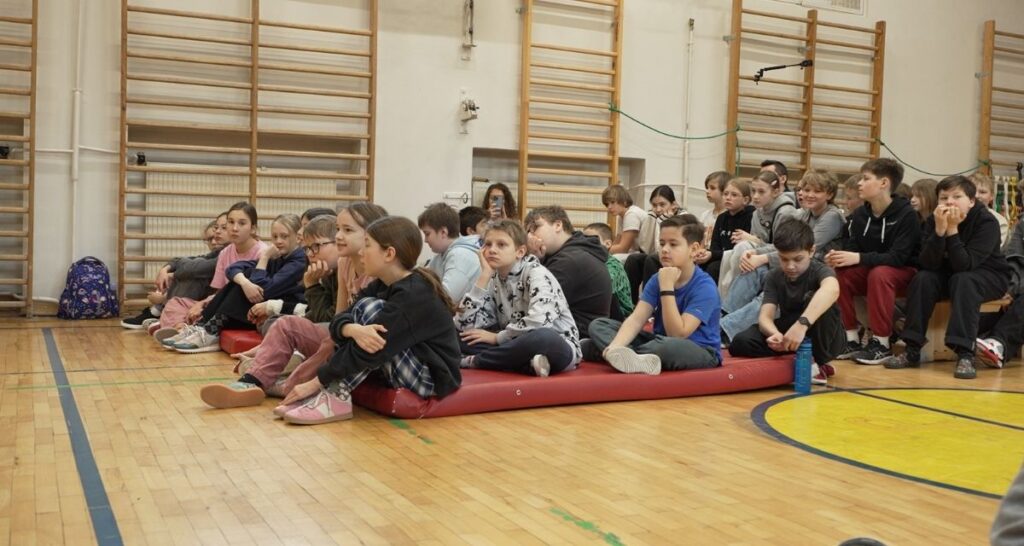
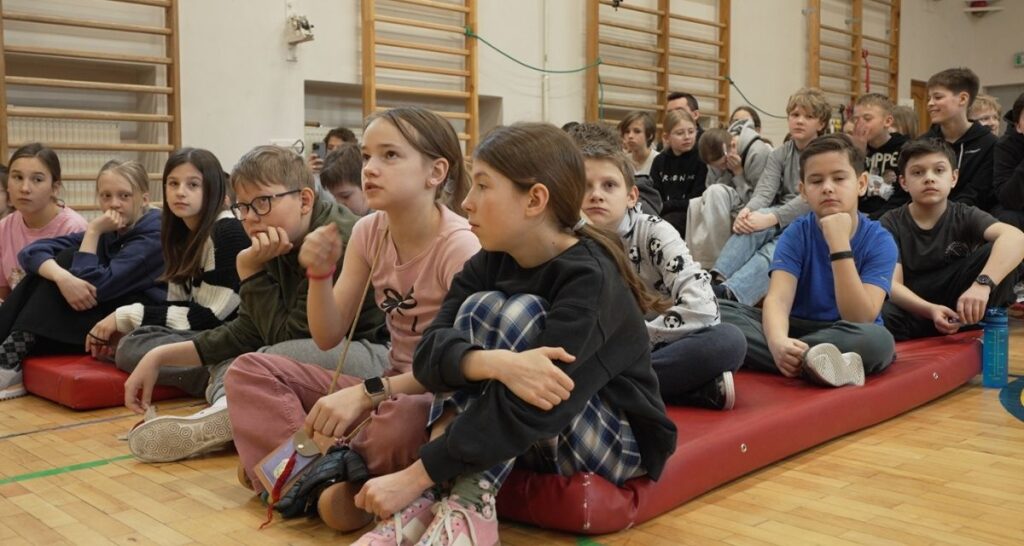
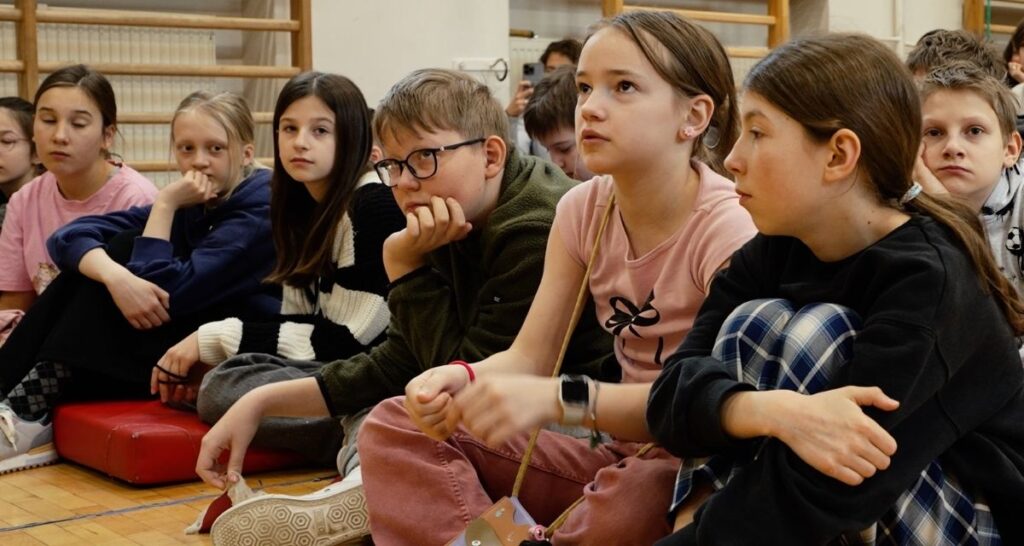
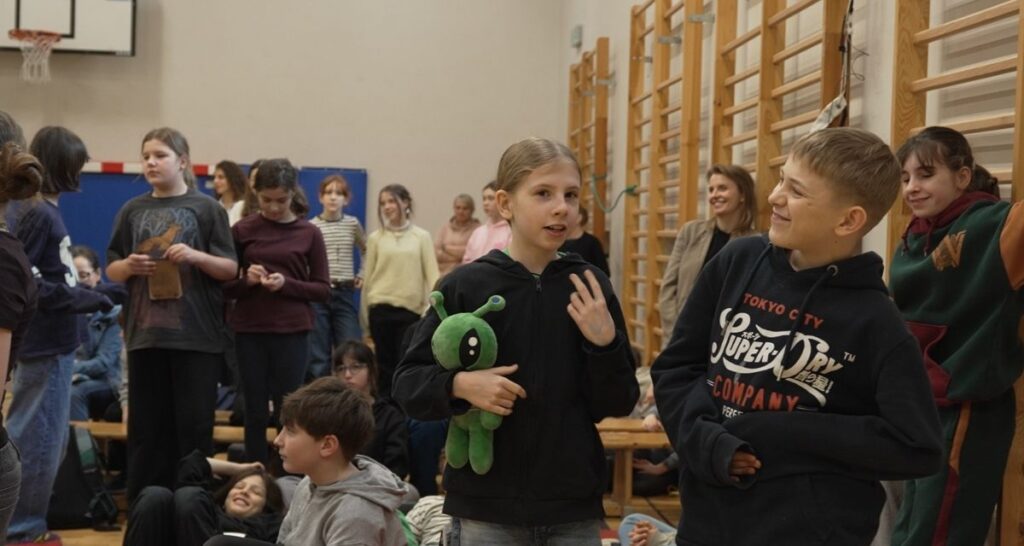
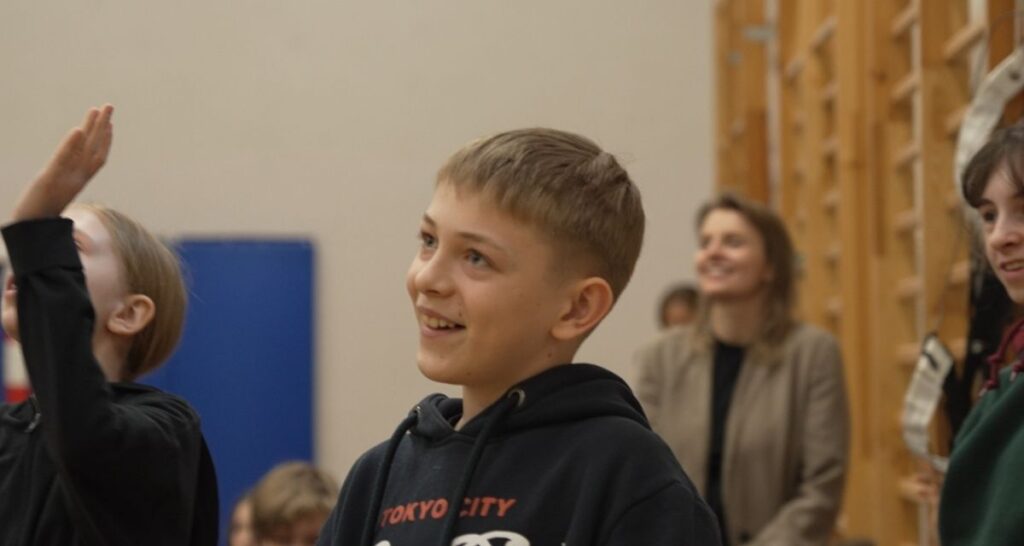
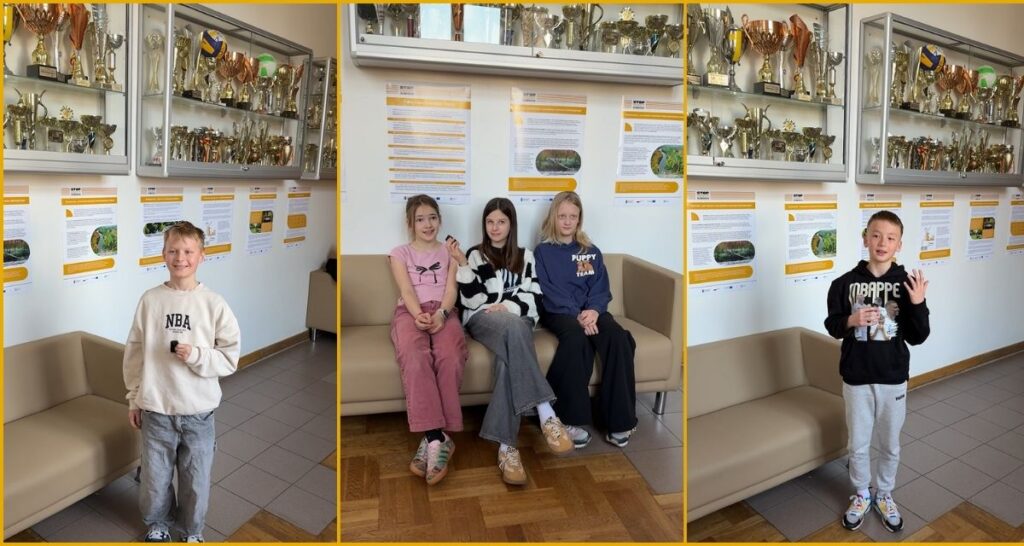
We reached 60 fourth- and fifth-grade students and their teachers with our message. The entire group of young people actively participated in the meeting, eagerly answering questions and sharing their knowledge. The students demonstrated their understanding of drought, awareness of climate threats, and knowledge of water conservation methods.
The educational event at the school resulted in increased environmental awareness among schoolchildren, a better understanding of the importance of retention, and a link between theory and practice (school infrastructure). As a result, the “Stop Drought! Start Retention!” project strengthened its image as accessible, engaging, and having a real impact on the education of young people.
By listening to the fourth- and fifth-grade students’ examples, we showed them that they don’t have to just passively listen – they can also educate one another, as their knowledge, often taken from their own home habits, is also very valuable. This allowed the children to feel valued, making them eager to interact and share their experiences. This resulted in a meeting the children will certainly remember for a long time, and what’s more, they will share their lessons learned with others, persuading their families to implement drought-fighting measures in their homes.
Summary: Another Campaign Success
The event showed that effective communication of environmental topics among children requires:
- interactive form
- simple but not infantile language
- engaging participants in dialogue
- embedding knowledge in their everyday experience
The combination of expert knowledge, ambassadorial presence, and practical examples created a valuable learning experience. The project confirmed that even younger audiences are aware of the drought problem and ready to take action, provided communication is appropriately designed for them.
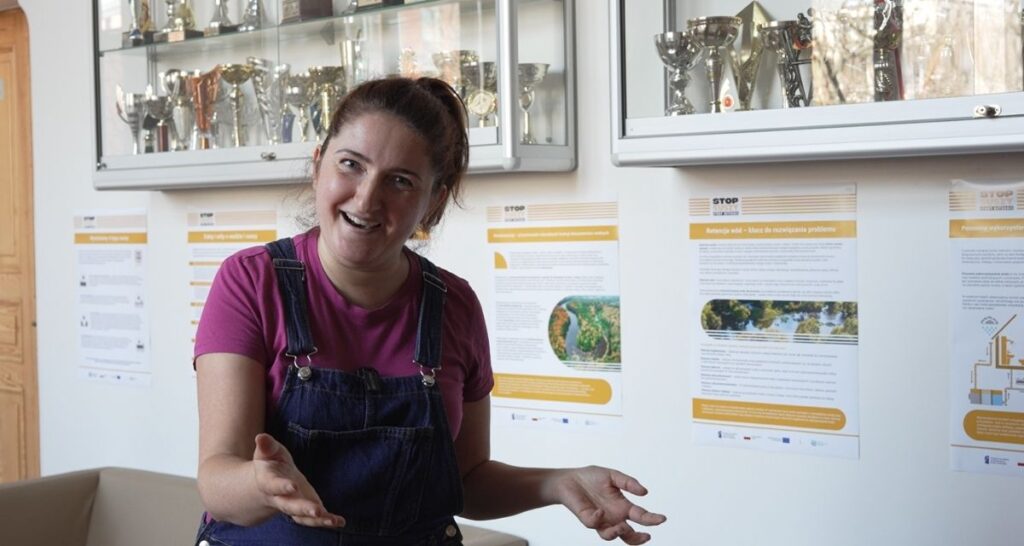
See photos from the educational meeting:

 This is just one example of our activities – you can read more about our approach and services here: https://wide-vision.pl/uslugi/